Important Food Service Tools Items Every Caterer Needs for Success
Catering triumph relies on having the right equipment. Quality warming platters, food warmers, and multi-purpose tools serve important functions in safety standards and presentation. Furthermore, proper cooling systems and portable cooking solutions are vital for controlling stock and maintaining adherence with health regulations. Recognizing these requirements can significantly improve operational efficiency. As caterers seek to improve their offerings, they must consider which items are truly necessary for their operation. What choices will define their achievement?
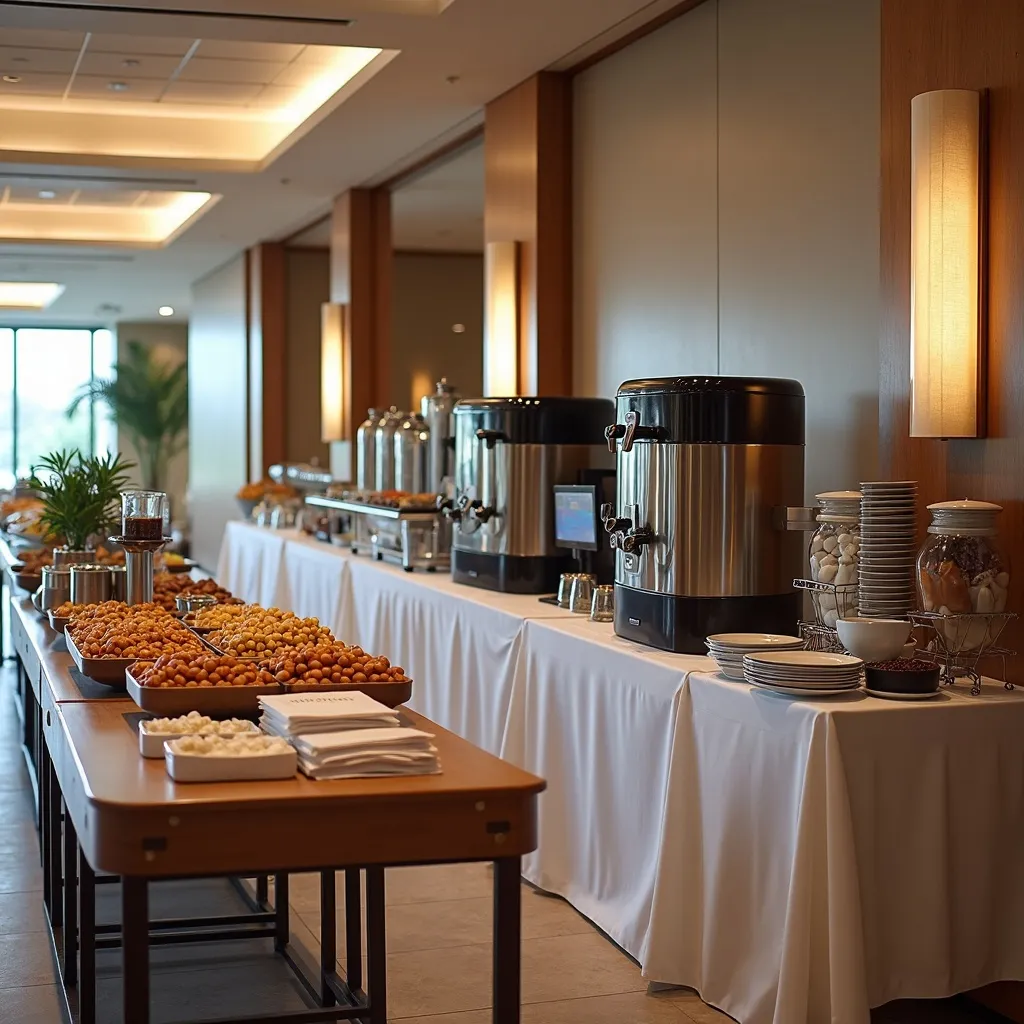
The Importance of Premium Chafing Dishes in Catering
Quality chafing dishes are important in catering, as they not only preserve food temperature but also enhance presentation. These dishes supply a polished look that is important for any catering event, guaranteeing that food is both visually appealing and accessible. With options extending from stainless steel to elegant finishes, chafing dishes can coordinate with the theme of any occasion, boosting the overall dining experience.
Moreover, they are made to keep food warm without compromising flavor or texture, which is important for guest satisfaction. The use of fuel or electric heat sources allows for mobility in service locations, making them perfect for both indoor and outdoor events. Additionally, quality chafing dishes are sturdy and easy to clean, ensuring they can withstand the rigors of multiple events. Ultimately, investing in high-grade chafing dishes is a strategic move that can improve the success of catering operations.
Must-Have Food Heating Devices for Every Event
While catering events differ in scale and style, having reliable warming equipment is vital for guaranteeing that dishes are served at the ideal temperature. Food warmers come in multiple forms, such as chafing units, electric food warmers, and heat lamps, each created to preserve food quality while meeting varied event needs.
Chafing dishes are particularly popular for their versatility and classic appeal, allowing for both visual appeal and effective heating. Electric food warmers offer convenience, particularly in buffet-style setups, as they can be adjusted to preserve specific temperatures. Heat lamps, on the other hand, deliver an efficient way to keep plated meals warm without excessive cooking.
Ultimately, the appropriate food warmers not only boost the dining experience but also promote food safety, ensuring that all dishes remain at safe serving temperatures throughout the event. Investing in quality warmers is vital for any caterer aiming for success.
Core Table Instruments That Every Catering Specialist Needs
Serving utensils provide the foundation of any successful catering operation, providing assurance that food is presented and served with efficiency. Important items include serving spoons, tongs, and ladles, which facilitate seamless serving and portion control. A selection of sizes and styles empower caterers to handle different dishes, from salads to stews. Furthermore, serving forks are important for meats and larger entrees, while pie and cake servers are indispensable for desserts.
Serving tools for chafing dishes help maintain food at the proper temperature while providing easy access during buffet setups. For upscale occasions, stylish serving pieces can improve the overall aesthetic.
Investing in premium, long-lasting materials guarantees extended lifespan and withstands the requirements of different events. Moreover, utensils with color coding can help with avoiding cross-contamination, promoting food safety. Ultimately, a well-rounded selection of serving utensils significantly contributes to the effectiveness and professionalism of any catering service.
How to Select the Optimal Table Configuration for Catered Functions?
How can a catering professional determine the ideal table setup for an event? Comprehending the type of occasion and the space available is crucial. Catering professionals should initially assess the guest count, as this influences table dimensions and arrangement. For formal occasions, circular tables often foster conversation, while extended rectangular tables can create a more shared atmosphere.
Next, catering professionals should take into account the event's theme and style, ensuring the table setup complements the overall design. Accessibility is another key factor; tables should allow for easy movement for both attendees and service personnel. Placement of beverage stations and food displays should be strategic to reduce crowding.
Finally, food service providers should account for any extra items, such as centerpieces or decorative items, which can affect table space. By evaluating these factors, caterers can establish a functional and inviting table setup that elevates the event experience.
Why Comprehensive Refreshment Servers Are Vital
Versatile fluid containers are crucial equipment for any catering professional aiming to enhance their service efficiency and customer satisfaction. These systems offer a practical solution for distributing a range of drinks, from water and juices to cocktails and iced teas, all in one unit. Their adaptability allows caterers to switch between different liquid selections smoothly, meeting diverse guest tastes without the need for multiple containers.
Moreover, drink servers can markedly decrease serving duration, enabling guests to help themselves, which fosters a more laid-back setting. Several models also provide integrated ice storage, ensuring drinks stay chilled throughout events. The aesthetic quality of thoughtfully designed servers can elevate the overall look, aligning with the caterer's branding and event theme. Ultimately, acquiring versatile beverage servers not only boosts operational efficiency but also benefits the overall attendee satisfaction, making them a indispensable asset for any catering business.
Why Mobile Cooking Tools Is Crucial for Food Service Providers
Portable cooking equipment transforms catering, giving caterers the ability to create dishes on-site and handle different venues. This flexibility is vital in catering, where events span from intimate gatherings to large celebrations. Portable choices, like grills, induction cooktops, and convection ovens, provide quick food preparation, maintaining freshness and quality.
Moreover, these implements strengthen a caterer's ability to produce assorted menus adjusted to specific client needs. By cooking on-site, caterers can more effectively monitor food safety and temperature control, lowering the risk of spoilage. Additionally, portable equipment is often designed for easy transport and setup, maximizing efficiency during busy events.
Investing in dependable mobile culinary equipment not only improves a caterer's service but also underscores their versatility. In an industry where first impressions matter, the skill to serve hot, delicious meals directly to guests is priceless for success.
Important Storage Strategies for Catering Professionals
In the catering industry, practical storage systems are necessary for keeping inventory organized and ensuring food safety. Implementing robust inventory management systems assists catering establishments keep track of inventory accurately, while proper refrigeration systems safeguard perishables. These parts are key examine now for optimizing operations and enhancing service quality.
Robust Supply Handling Systems
Effective stock control systems are crucial for caterers aiming to streamline operations and cut down on waste. Implementing a robust system allows providers to track ingredients, supplies, and equipment effectively. By utilizing software solutions, they can track stock levels in real-time, minimizing the risk of over-ordering or spoilage. Additionally, categorizing inventory based on usage frequency can improve accessibility and organization. Regular audits and inventory checks further guarantee that items remain in top shape and that discrepancies are promptly addressed. Integrating automated alerts for low stock can also facilitate timely replenishment, thus maintaining smooth operations. Ultimately, an effective inventory management system not only aids cost control but also enhances customer satisfaction by confirming that all necessary items are available when needed.
Safe Refrigeration Alternatives
Five secure cooling solutions prove to be essential storage solutions for caterers. First, upright reach-in refrigerators deliver easy access to ingredients while maximizing floor space. Second, undercounter refrigerators keep regularly used items within easy reach, enhancing workflow productivity. Third, walk-in coolers supply ample storage for bulk volumes, making them ideal for high-volume catering events. Fourth, portable chillers are essential for off-site catering, allowing for refrigerated transportation of food products. Finally, rapid freezing units rapidly cool down prepared dishes, maintaining freshness and quality. Each of these cooling solutions ensures that caterers copyright food safety standards, control inventory effectively, and optimize operations, ultimately contributing to the growth of their catering enterprise.
Frequently Common Questions
How Much Capital Should I Designate for Catering Equipment Procurement?
A allocation of 10-20% of projected annual revenue is advisable for catering equipment purchases. This allocation guarantees essential tools are obtained without monetary pressure, fostering growth and preserving service quality in the catering business.
How Do I Maintain My Catering Equipment for Long-term Use?
Frequent care, proper storage, and routine inspections are indispensable for maintaining catering equipment. Besides, observing manufacturer directives and arranging professional servicing can greatly extend longevity, guaranteeing stable operation during events and extending the lifespan of the tools.
What Companies Offer the Finest Catering Supplies?
Top brands for food service gear are Cambro, Vollrath, and Chef'sChoice, noted for longevity and effectiveness. Moreover, brands such as Rubbermaid and Carlisle supply solid options, confirming caterers secure high-quality tools for efficient service and operations.
How Should I Properly Move Catering Equipment to Venues?
To properly transport food service supplies, one should use durable containers, confirm items are tightly packaged, and consider thermal regulation. Employing dedicated transport can also enhance security and orderliness during transport, guaranteeing smooth event setup.
What Safety Guidelines Should I Assess for Catering Equipment?
Caterers should take into account local health codes, equipment sanitation standards, electrical safety requirements, and food storage regulations. Complying with these guidelines creates a safe environment for both staff and clients during events. Compliance is vital.