Transform Your Gathering: Remarkable Catering Solutions for Every Celebration
Transforming an event through catering necessitates careful consideration of various elements. The decision of catering format can significantly impact the complete experience. Innovations such as interactive food stations and environmentally conscious selections are becoming increasingly popular. Furthermore, addressing dietary needs and keeping expenses in check are critical. Appreciating these elements can convert an average gathering into a lasting impression. Even so, choosing the best-suited approach and service is fundamental for reaching the intended outcome. What steps should one take next?
How to Select the Ideal Catering Style for Your Event
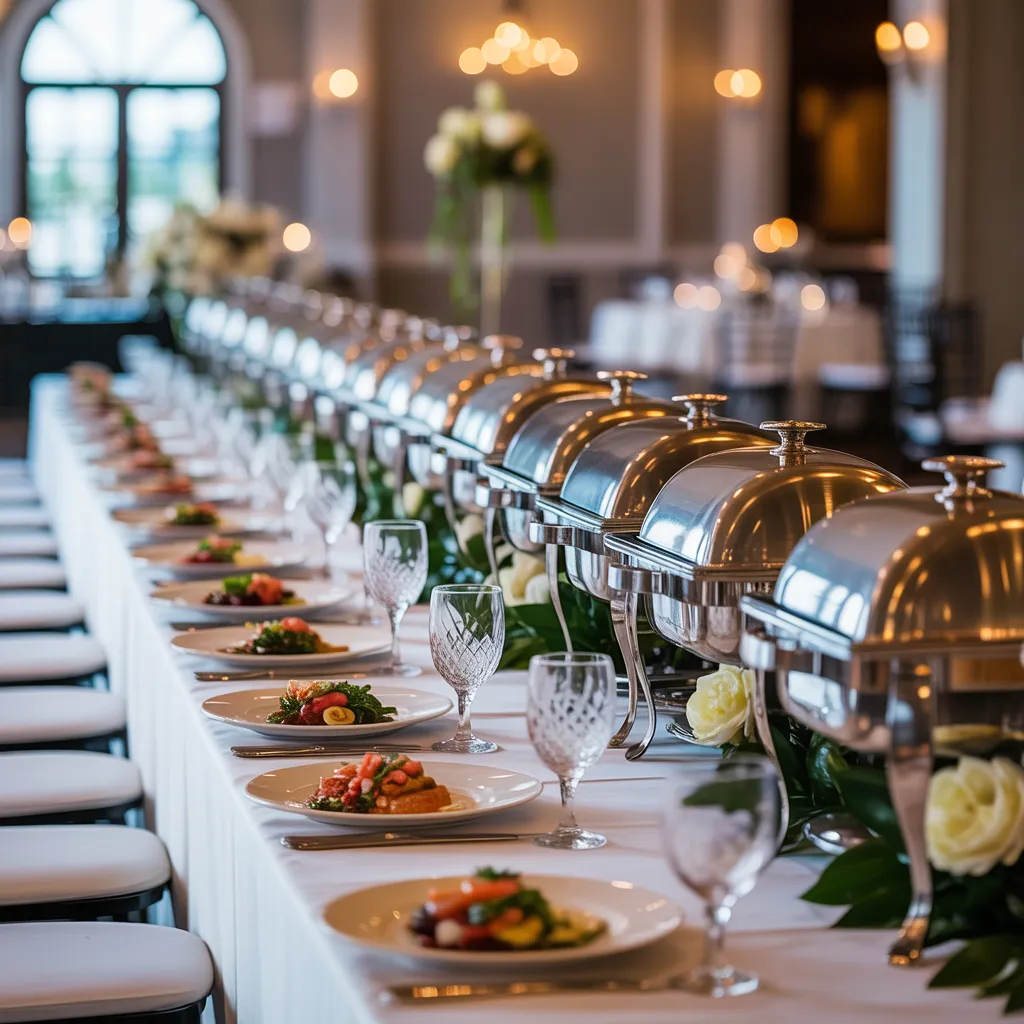
When coordinating an event, how does one determine the most appropriate catering style? The decision relies on various key elements, including the type of event, guest count, and venue. Formal events, such as corporate functions or weddings, often benefit from plated service, which provides a refined dining experience. In contrast, relaxed gatherings like informal parties may call for a buffet or family-style dining setup, fostering interaction and mingling among attendees.
An additional factor is the dietary preferences and restrictions of attendees, which necessitate a versatile menu that accommodates various needs. Furthermore, the budget holds significant importance; some catering styles may be more cost-effective than others. In addition, the general ambiance sought should match the chosen catering approach, whether it be sophisticated or laid-back. In the end, understanding these elements enables organizers to choose a catering style that improves the overall occasion while meeting both aesthetic and functional requirements.
The Best Catering Trends to Delight Your Guests
Contemporary gatherings continue to incorporate creative catering concepts that enhance the guest experience. One standout approach is the use of interactive food stations, giving guests the opportunity to tailor their food selections in live settings. This not only adds an interactive dimension but also fosters meaningful connections among attendees.
Sustainable and regionally sourced ingredients are growing in prominence, reflecting a growing awareness of environmental impact and health consciousness. This trend not only enhances flavor but also supports local economies.
Furthermore, immersive culinary journeys immerse guests in global traditions through thoughtfully prepared cuisine, crafting unforgettable dining experiences. As a final point, the growing popularity of breathtaking visual displays, such as intricate edible compositions and striking arrangements, confirms that each dish is as much a feast for the eyes as it is for the palate. Combined, these innovations define an extraordinary catering journey, leaving a lasting impression on guests and setting the tone for the event.
How to Guarantee That Everyone's Dietary Needs Are Addressed
Managing dietary requirements at events necessitates the early recognition of restrictions to ensure inclusivity. Providing a varied menu that caters to different preferences and needs is vital for the satisfaction of guests. Transparent labeling of food items also assists in eliminating misunderstandings and encourages a safe and enjoyable dining experience.
Recognize Dietary Restrictions From the Start
How do event organizers ensure that all guests feel welcomed and content? Recognizing dietary needs in advance is essential for accomplishing this objective. In advance of the event, organizers should issue invitations that incorporate a request for food preferences and dietary restrictions. This anticipatory strategy permits them to obtain critical details and cater to a range of needs, encompassing allergies, intolerances, and lifestyle decisions like veganism or gluten-free nutrition.
Organizers can also consider developing a straightforward digital form or questionnaire to simplify the overall process. By consolidating this collected data, they can guarantee that all attendees are accommodated, fostering an inclusive atmosphere. In the end, identifying dietary restrictions ahead of time not only improves the overall guest experience but also demonstrates the organizer's dedication to careful and considerate planning.
Provide a Variety of Menu Choices
Following the collection of dietary restrictions, event organizers can proceed by presenting a wide range of menu options designed to suit all attendees. A well-curated menu should include vegetarian, vegan, gluten-free, and nut-free choices, making certain that no one feels excluded. By incorporating a variety of cuisines, organizers can appeal to different palates while respecting dietary preferences and restrictions. Locally sourced seasonal ingredients can elevate taste and freshness, rendering dishes more attractive to guests. Moreover, presenting an assortment of appetizers, main dishes, and sweet courses gives guests the opportunity to relish a comprehensive dining experience. Engaging with caterers who specialize in diverse offerings can help guarantee that all dietary needs are met, ultimately creating an inclusive atmosphere that elevates the overall event experience.
Clearly Label Your Food
What measures can event planners implement to make sure attendees feel secure and knowledgeable about their dietary selections? Accurate food learn more labeling plays a vital role in accommodating dietary needs. Organizers should utilize signage that specifies ingredients and highlights common allergens such as nuts, gluten, and dairy. Such openness enables attendees to make educated choices and prevents possible health concerns. Moreover, using color-coded labels can streamline the process of identifying vegan, vegetarian, and gluten-free dishes. Including comprehensive descriptions on menus boosts clarity and fosters greater guest involvement. Organizers should also consider having staff available to answer questions about the food. By implementing these strategies, event planners can create a welcoming atmosphere where all guests feel confident in their food selections, ultimately elevating the overall event experience.
Creating a Personalized Menu for Your Theme
Crafting a personalized dining experience for an themed occasion transforms the entire experience, assuring that the menu choices complement the event's essence. A carefully crafted culinary lineup embodies the gathering's mood, such as a black-tie gala, a festive birthday gathering, or a leisurely outdoor event. By taking into account the chosen theme, event organizers can select food options that align with cultural elements and aesthetic themes.
Incorporating seasonal produce enhances flavor while also complementing the event's aesthetics. For instance, a tropical-inspired setting could incorporate lively fruits and energizing seafood dishes, while a rustic gathering may emphasize filling, locally procured food. Furthermore, catering to dietary requirements and restrictions promotes an inclusive dining experience, allowing all guests to enjoy the culinary journey.
Fundamentally, a personalized menu converts ordinary dining into an integral part of the event's narrative, creating an enduring memory that goes well beyond the closing plate.
How Professional Service Makes a Difference in Catering
Professional service in catering notably enhances the overall event experience, ensuring that guests feel attended to and valued. Consistency and reliability are key attributes that distinguish professional caterers, offering confidence that all elements will fulfill expectations. This level of service not only reflects the event's quality but also reinforces the host's reputation.
Influence on Event Experience
Even though the dishes offered at an event tend to be a main attraction, the quality of catering staff greatly affects the overall experience. Skilled catering teams not only guarantee that dishes are displayed elegantly but also coordinate the timing and flow of service, which can improve guest enjoyment. Dedicated service staff create an welcoming atmosphere, allowing hosts to interact with their guests without stress. In addition, experienced service professionals can provide information about the menu, guaranteeing guests are knowledgeable and pleased with their selections. Ultimately, the seamless execution of catering services creates a memorable event, leaving a lasting impression on attendees. A expertly organized catering experience elevates the occasion, highlighting the importance of professional service in event planning.
Reliability and Uniformity Assurance
Ensuring consistency and reliability in catering services is essential for a successful event. When clients work with professional caterers, they look forward to a flawless experience, from organization to delivery. Dependable catering companies maintain high standards, guaranteeing that food quality, presentation, and service stay consistent. This reliability assures clients that their guests will have an unforgettable dining experience.
Furthermore, professional catering teams excel at addressing logistical obstacles, including unexpected changes or special dietary needs, while maintaining service excellence. Their knowledge equips them to anticipate potential issues, reducing anxiety for event planners. Ultimately, the trustworthiness of a catering service directly shapes the complete success of an occasion, building confidence and motivating clients to book again for upcoming events.
Budgeting for Catering: Maximizing Value
Navigating the complexities of catering budgets can significantly influence the general outcome of an event. Setting a defined budget is vital, as it sets the parameters for all decisions related to catering. Event coordinators should start by identifying the full amount allocated and separating it into specific sections, such as beverages, food, and service charges.
Distinguishing between needs and wants can help maximize value; for instance, opting for a buffet setup may provide more diverse options at a reduced cost compared to plated dining. Moreover, negotiating with catering services can produce cost savings or special arrangements, enhancing the overall experience without breaking the bank.
Integrating ingredients that are in season can also reduce costs while guaranteeing flavorful and fresh meals. By methodically evaluating options and making informed choices, those planning events can create an unforgettable catering experience that meets their financial constraints without sacrificing quality.
Assessing and Selecting the Best Catering Service
What steps can event planners take to properly assess and select the ideal catering service? The process begins with establishing the specific needs of the event, including the type of cuisine, guest count, and dietary restrictions. Next, planners should research potential caterers by reviewing online ratings, testimonials, and portfolios of past events. Organizing tasting sessions is vital for properly judging the quality and presentation of the food.
Budget factors carry significant weight; planners must obtain detailed quotes that outline all costs, including service costs and possible overtime fees. Engaging in direct communication with caterers helps to gauge their responsiveness and willingness to accommodate unique requests. Additionally, checking for proper licenses and insurance guarantees reliability and professionalism.
Finally, event planners should obtain suggestions from fellow professionals or industry connections to shortlist candidates. By integrating these strategies, organizers can confidently choose a catering company that aligns with their vision and improves the guest experience.
Frequently Asked Questions
How Far in Advance Should I Book Catering Services?
Experts recommend reserving catering services no less than three to six months beforehand for high-demand dates and venues. This secures your booking, allows for menu customization, and gives adequate time for any necessary adjustments or planning.
Do Catering Services Offer Rentals for Tables and Chairs?
Numerous catering businesses supply rental packages for seating and tables, providing a thorough option for events. Clients would be wise to explore these extra offerings when scheduling to confirm all needs are met for their occasion.
What Is Done with Leftover Food Once the Event Ends?
After the event, excess food is generally inspected for safety and quality. Numerous catering companies contribute surplus food to nearby charities or shelters, while a few may box it up for clients or ensure it is discarded in an environmentally conscious way.
Do Catering Costs Include Gratuities?
Service tips are commonly excluded from the catering cost. Clients should verify with the catering service regarding their policy on gratuities, as they may recommend a percentage based on the total bill or service quality.
Is It Possible to Sample the Menu Prior to Confirming My Order?
Yes, a tasting session is usually arranged before the order is finalized. This opportunity allows clients to sample the menu options, making sure the chosen dishes match their tastes and event requirements.